The Silent Threat to Your Well-Being (and What to Do About It)
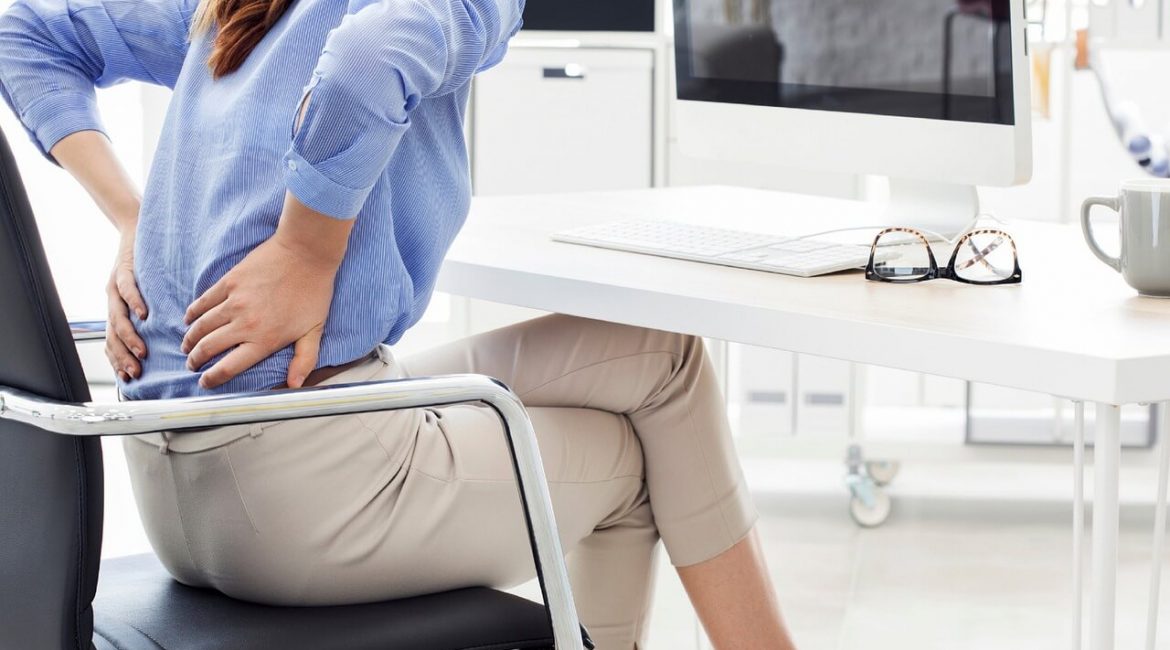
Modern work and education environments have quietly normalised one of the biggest threats to our well-being: sitting for long periods of time.
Whether you’re an educator, corporate professional, leader, or remote worker, many of us now spend 8 hours or more a day seated—in meetings, lessons, lesson planning, emails, or screen-based tasks. While this may feel productive, research increasingly shows that prolonged sitting can have serious consequences for our physical, mental, and emotional health.
Why prolonged sitting is a problem
Studies consistently link long periods of sitting to:
- Poor circulation and stiffness in the body
- Increased risk of lower back pain and joint discomfort
- Reduced energy levels and concentration
- Higher stress, fatigue, and emotional disengagement
Even for people who exercise before or after work, extended sitting throughout the day can still negatively impact posture, mood, and cognitive performance. In education and workplace environments, this often shows up as burnout, brain fog, irritability, and reduced engagement.
In short: our bodies were not designed to be still for that long.
The impact on performance and wellbeing
When movement is removed from the day, the nervous system stays in a low-energy or stress-dominant state. This affects:
- Focus and decision-making
- Emotional regulation
- Creativity and problem-solving
- Overall motivation
Over time, this doesn’t just affect individuals—it impacts team morale, classroom energy, workplace culture, and productivity.
The solution doesn’t require intense workouts or long breaks. What it requires is intentional movement.
Movement as a micro-reset
Movement works best when it’s simple, accessible, and consistent. Even short bursts of movement can:
- Increase blood flow to the brain
- Improve posture and breathing
- Reduce stress hormones
- Reset focus and emotional state
One of the most effective ways to encourage this is through playful, low-pressure movement—which is where movement with an orange comes in.
Try this: 3 minutes of movement with an orange

You don’t need gym clothes, equipment, or a large space. Try these three simple movements:
- Seated or standing shoulder rolls
Hold an orange in one hand and slowly roll your shoulders back and down. Switch hands after 30 seconds. - Gentle torso twists
Hold the orange with both hands and slowly rotate your upper body side to side. Keep breathing naturally. - Balance and hand transfer
Stand tall and pass the orange from one hand to the other while balancing lightly. This improves coordination and focus.
Just three minutes can help reset your body and mind—especially during long workdays or between meetings or lessons.
Building movement into daily life
Movement doesn’t have to interrupt productivity—it supports it. Small, regular movement breaks throughout the day improve wellbeing, engagement, and resilience over time.
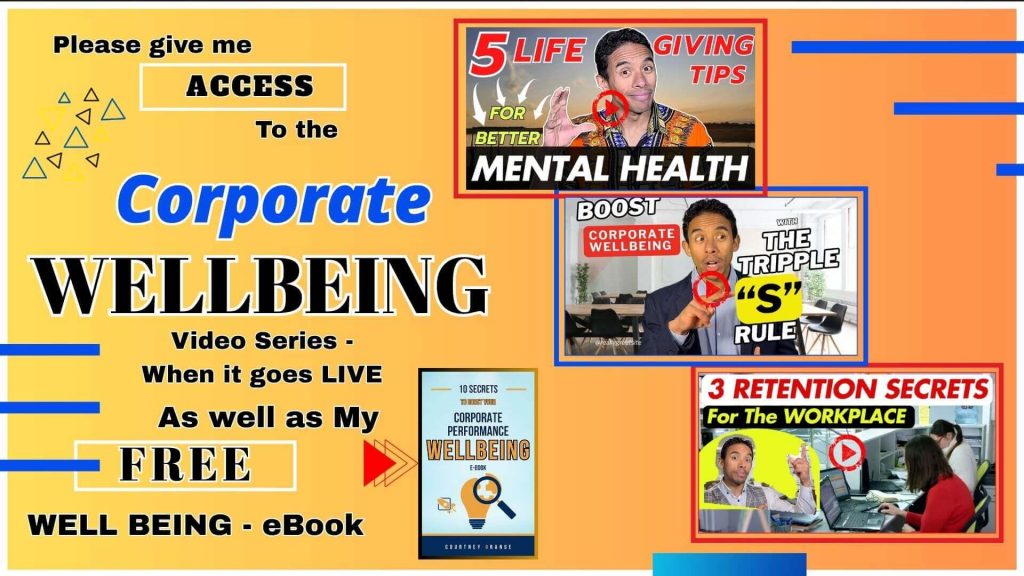
If you’d like access to free movement guides, including 98 Ways to Move with an Orange, as well as wellbeing resources for education and the workplace, you can explore them here:
👉 https://courtneyorange.com/shop
Sometimes, the smallest movement is the biggest shift.
