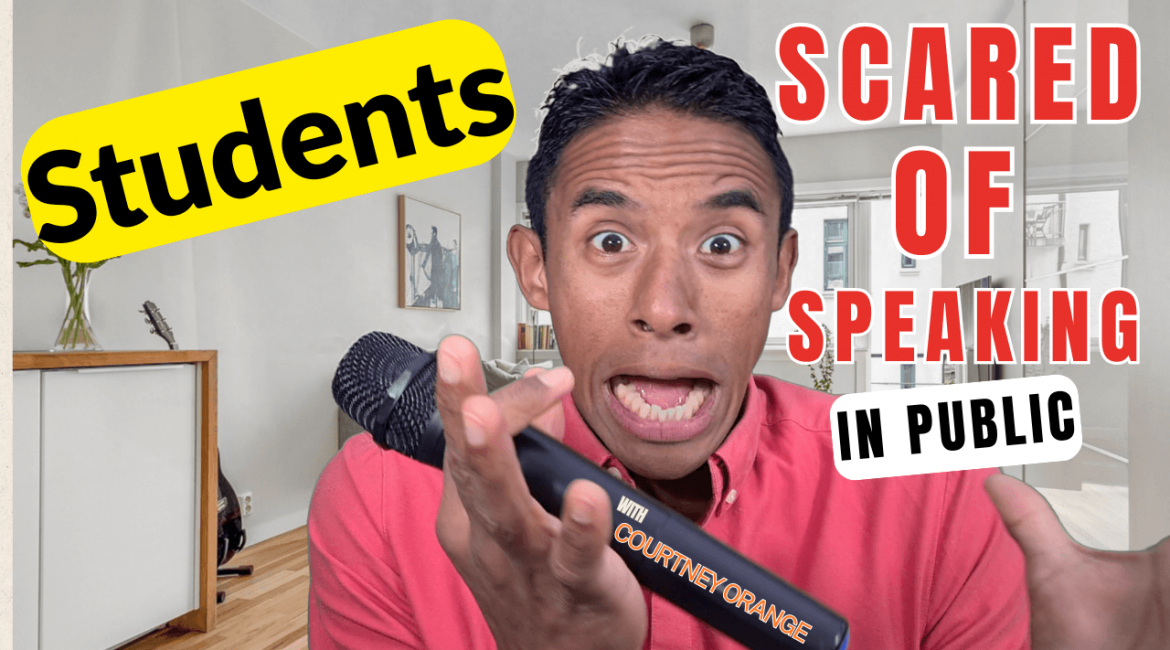
Resilience Building in Nord Anglia Education Students
In today’s fast-moving and often unpredictable world, resilience has become one of the most essential skills young people can develop.
During Children’s Mental Health Week, the focus on building resilience is particularly important — not just for emotional wellbeing, but for confidence, communication, and self-belief.
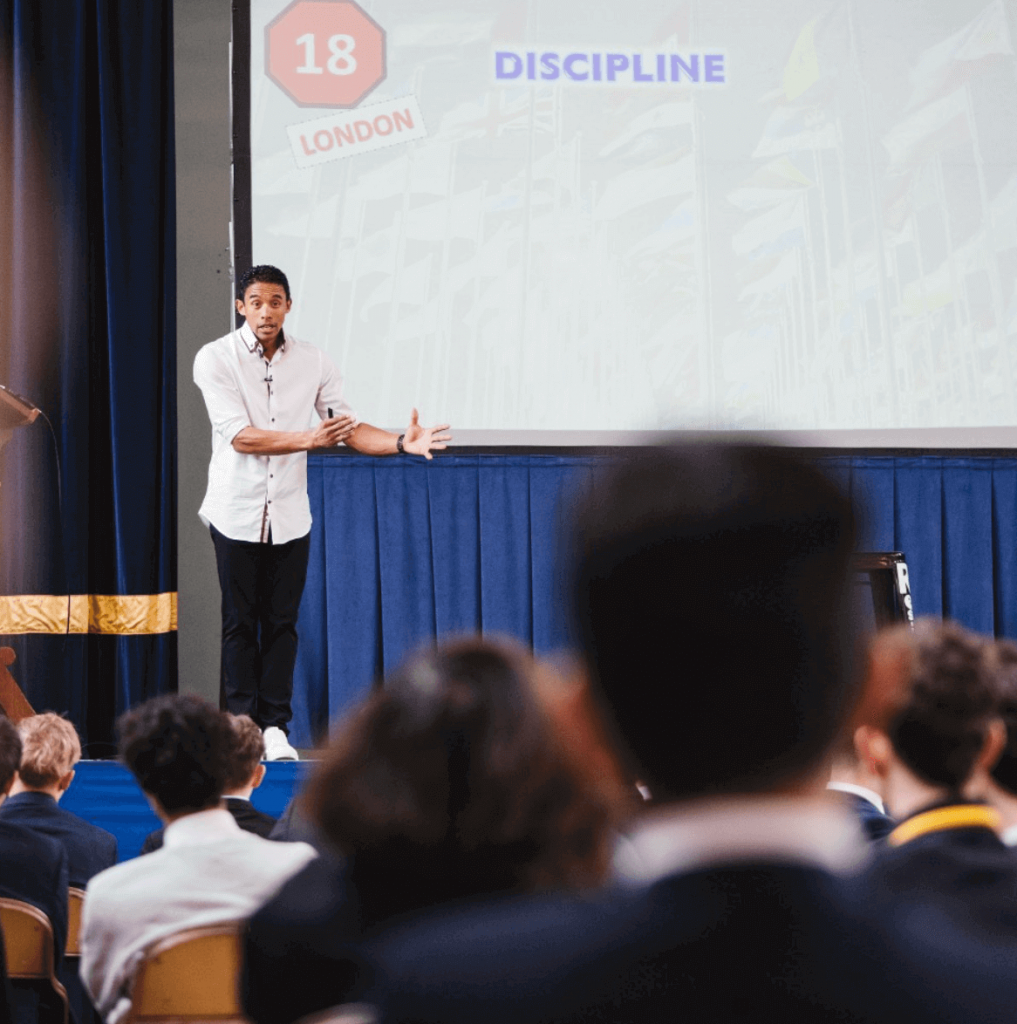
I’m thrilled to be collaborating with Nord Anglia Education through the Topical Talks programme, supporting students across 80+ schools worldwide. This initiative encourages students to develop public speaking skills while creating their own videos on meaningful themes. One of the most powerful of these themes is Building Resilience.
Resilience is not about “toughening up” or avoiding emotions. It’s about learning how to respond when things feel challenging — whether that’s speaking in front of a camera, sharing personal ideas, or standing up to be heard.
Why Resilience Matters in Education and Public Speaking
Public speaking can feel intimidating at any age, especially for students. The moment a student presses record or stands up to speak, they are practising courage, self-expression, and adaptability. These are the exact muscles that resilience strengthens.
When students are encouraged to speak about themselves, their experiences, and their ideas, they learn that their voice matters — even if it shakes, pauses, or evolves along the way.
Three Key Factors Students Gain from Building Resilience
1. Confidence Through Self-Belief
Resilient students begin to trust themselves. They understand that mistakes, nerves, and imperfect delivery are all part of growth. Over time, this self-belief translates into clearer communication, stronger presence, and the confidence to share ideas both inside and outside the classroom.
2. Emotional Awareness and Regulation
Building resilience helps students recognise and manage emotions such as anxiety, frustration, or self-doubt. In public speaking, this means learning how to breathe, pause, reset, and continue — valuable life skills that extend far beyond the screen or stage.
3. Adaptability and Growth Mindset
Resilient students don’t give up when something doesn’t go to plan. They reflect, adjust, and try again. Whether responding to feedback on a video or refining a message, this mindset supports lifelong learning and personal development.
Encouraging the Next Generation of Voices
Through Topical Talks, students are not only learning how to speak — they are learning how to listen to themselves, reflect on their experiences, and communicate with authenticity. Commenting on their videos and responding to their questions allows us to reinforce positive speaking habits, celebrate originality, and guide them toward clarity and impact.
As a professional speaker, wellbeingfacilitator, and video content creator, I create engaging video content around wellbeing, resilience, movement, and mindset for educational institutions, associations, and corporate organisations worldwide.
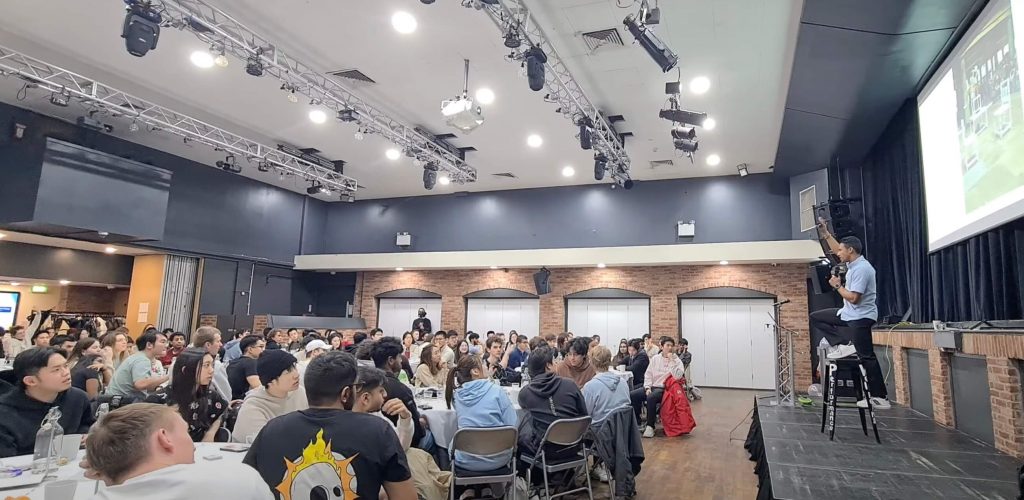
If your school, organisation, or department would like bespoke content, workshops, or video resources, feel free to get in touch at
📧 info@courtneyorange.com
