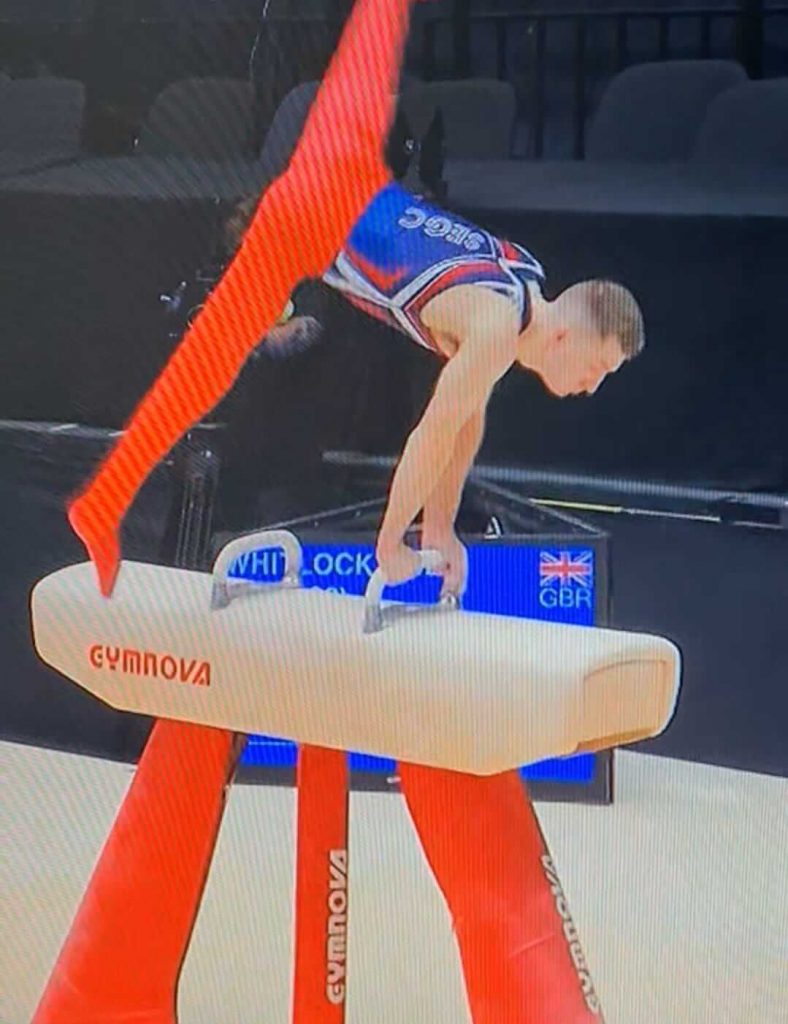
Watching the recent British Gymnastics men’s championship live was more than just witnessing an elite sporting event—it was an immersive reminder of what true high performance looks like when discipline, resilience, and mindset converge. Sitting there, observing some of the world’s finest gymnasts compete on a national stage, I found myself reflecting not only on the routines, but on the unseen layers of preparation, sacrifice, and mental strength required to perform at that level.
At the centre of it all stood Joe Fraser, the newly crowned British champion. His composure, control, and quiet confidence were not just impressive—they were instructive. In a sport where the smallest error can cost everything, his performance was a masterclass in focus, emotional regulation, and trust in preparation.
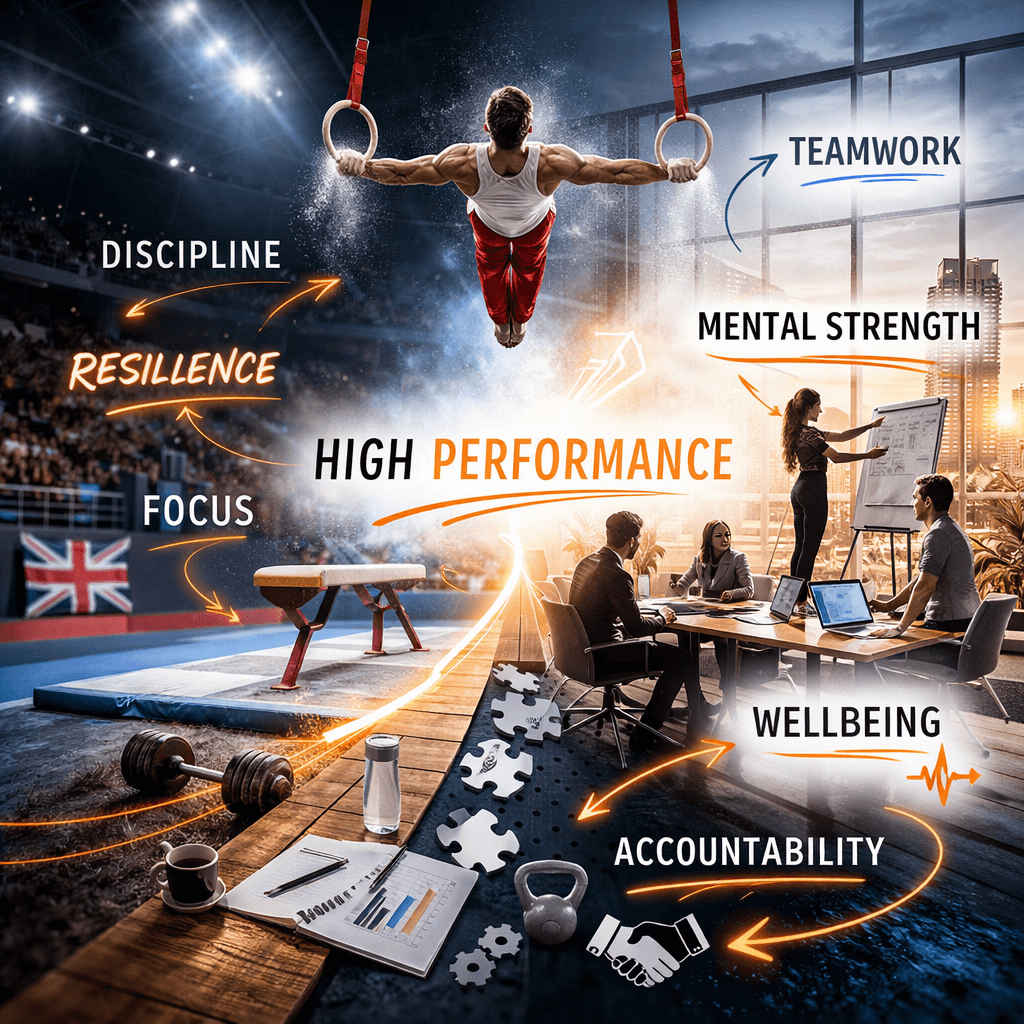
But what truly struck me was this: gymnastics is not just about physical ability. It is a blueprint for high performance that businesses and organisations can learn a tremendous amount from.
The Hidden Reality Behind Performance
To the untrained eye, a gymnast’s routine might last 30 to 90 seconds. But behind those seconds are years—often decades—of preparation.
Gymnasts train multiple hours a day, refining movements down to millimetres. They repeat routines not hundreds, but thousands of times. And unlike many other disciplines, there is no hiding place. When you step onto the apparatus, it’s just you, your preparation, and your mindset.
This level of preparation mirrors what high-performing organisations strive for. Success is rarely about one big moment—it is about consistency, systems, and daily habits.
In gymnastics, preparation includes:
- Technical mastery: Perfecting skills through repetition
- Physical conditioning: Strength, mobility, endurance, and recovery
- Mental training: Visualisation, focus, and emotional control
- Strategic planning: Structuring routines for maximum scoring potential
In the corporate world, these translate into:
- Skill development and continuous learning
- Energy management and wellbeing
- Focus and clarity under pressure
- Strategic execution
The overlap is undeniable.
Discipline: The Foundation of Excellence
One of the most powerful lessons gymnastics teaches is discipline. Not the kind that is forced, but the kind that is chosen daily.
Gymnasts wake up early. They train when they are tired. They repeat skills even when they fail. They show up, consistently, regardless of mood or circumstance.
Watching the athletes at the championship, it became clear that discipline is not about intensity—it is about consistency.
For organisations, this is a crucial insight. High-performing teams are not built on occasional bursts of motivation, but on structured, repeatable behaviours:
- Showing up prepared
- Maintaining standards even when no one is watching
- Executing processes under pressure
Discipline creates reliability. And reliability builds trust—both internally within teams and externally with clients.
Resilience: Bouncing Back in Real Time
Gymnastics is a sport of immediate consequences. A slip, a missed grip, or a slight imbalance can derail an entire routine.
Yet what separates champions from the rest is not perfection—it is recovery.
Throughout the competition, there were moments where gymnasts made small errors. But what stood out was how quickly they recalibrated. There was no visible panic, no frustration carried into the next movement. They adapted instantly.
This is resilience in its purest form: the ability to respond, not react.
In business, resilience often gets spoken about as a long-term trait. But in reality, it is also a moment-to-moment skill:
- Recovering from a difficult meeting
- Resetting after a mistake
- Maintaining composure under pressure
The gymnasts demonstrated that resilience is not just about enduring challenges—it’s about performing through them.
The Mental Game: Performing Under Pressure
Perhaps the most fascinating aspect of elite gymnastics is the mental battle.
The arena is silent. The stakes are high. One routine can define months or years of work.

Watching Joe Fraser, what stood out most was his calmness. His ability to slow everything down, to remain present, and to execute with clarity.
This level of mental control doesn’t happen by chance. It is trained.
Gymnasts use techniques such as:
- Visualisation of routines before execution
- Breathing strategies to regulate nerves
- Focus cues to maintain attention
- Emotional detachment from outcomes
For organisations, this is gold.
In high-pressure environments—presentations, deadlines, negotiations—the ability to stay calm and focused is often the difference between success and failure.
Mental performance is no longer optional. It is essential.
Physical, Mental, and Emotional Wellbeing
Another key takeaway from the championship is the importance of holistic wellbeing.

Gone are the days when training harder was the only answer. Today’s elite gymnasts understand that recovery, nutrition, sleep, and mental health are just as important as physical training.
Performance is not just built in the gym—it is built in the hours outside of it.
This is a lesson many organisations are beginning to embrace. Employees are not machines. They are human beings whose performance is directly linked to their wellbeing.
When individuals are:
- Physically energised
- Mentally clear
- Emotionally balanced
They perform better, collaborate more effectively, and sustain productivity over time.
Gymnastics teaches us that pushing harder is not always the answer—sometimes, performing better comes from recovering smarter.
Precision and Accountability
In gymnastics, there is no ambiguity. Every movement is judged. Every detail matters.
This creates a culture of accountability. Gymnasts take ownership of their performance because they know that outcomes are a direct reflection of preparation.

Imagine applying this mindset within an organisation:
- Clear standards
- Measurable outcomes
- Personal accountability
It fosters a culture where individuals take pride in their work and strive for excellence—not because they have to, but because they want to.
Lessons for Organisations
Reflecting on the championship, the parallels between elite gymnastics and high-performing organisations are striking.
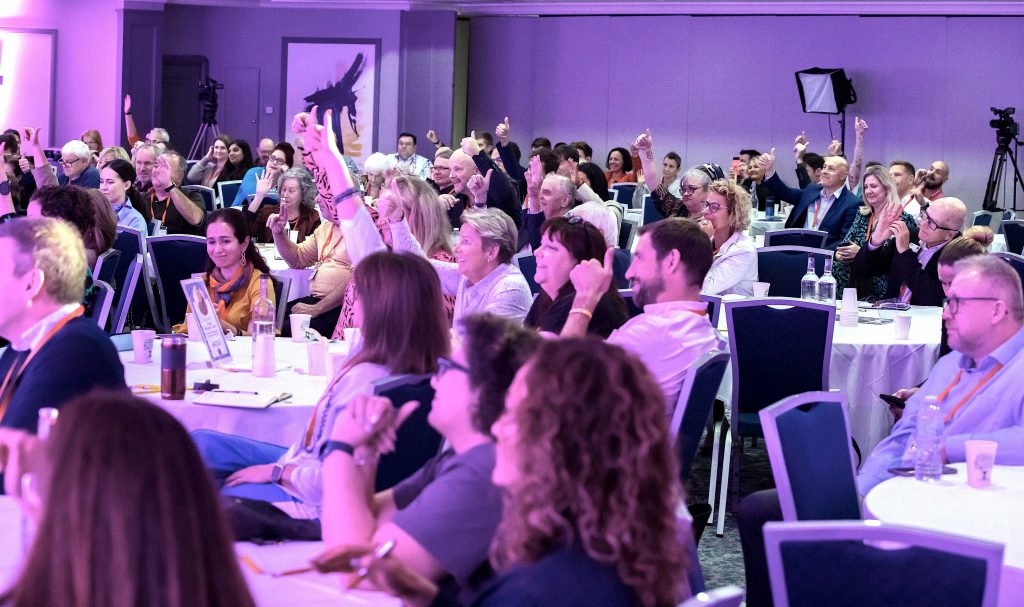

Here are some of the key transferable lessons:
- Consistency beats intensity
- Preparation builds confidence
- Resilience is a skill that can be trained
- Mental performance is as important as technical ability
- Wellbeing drives sustainable success
- Accountability creates excellence
These are not just sporting principles—they are performance principles.
Bringing Gymnastics Into the Workplace
What if organisations could harness these lessons in a practical, engaging way?
What if teams could experience:
- The power of movement to reset and refocus
- The discipline of structured performance routines
- The mindset strategies used by elite athletes
- The resilience needed to perform under pressure
This is where the crossover becomes truly exciting.
Gymnastics is not just a sport—it is a vehicle for transformation. It provides a unique and engaging way to explore mindset, performance, and wellbeing in a way that resonates deeply with individuals and teams.
Final Reflections
Watching the British Gymnastics men’s championship was a powerful reminder that excellence is not accidental. It is built—day by day, repetition by repetition, decision by decision.

The performance of Joe Fraser encapsulated this perfectly. His composure was not just a reflection of talent, but of preparation, discipline, and mental strength.
And perhaps that is the greatest lesson of all.
Whether in sport or in business, high performance is not reserved for a select few. It is available to anyone willing to commit to the process.
Work With Me
If your organisation is looking to elevate performance, build resilience, and enhance workplace wellbeing through engaging, high-impact experiences, I offer keynote talks, workshops, and tailored programmes grounded in the principles of elite gymnastics and performance psychology.
To find out more or to discuss how we can work together, please get in touch at:
Let’s bring the mindset of a champion into your organisation.