Resilience doesn’t come from stress alone—it’s strengthened through connection, engagement, reflection, and community.
In both education and corporate environments, leaders are now recognizing that wellbeing isn’t a soft add-on—it’s a strategic investment with measurable impact.
When organizations choose to do more than send emails about wellness and instead actively engage teams through experience-based culture days, that’s where real change happens. If you want to learn more about empowering individuals within these environments, check out our insights on building resilience and empowering students
Here are three core resilience principles that engagement days reinforce, with evidence to support them:
1. Social Support Enhances Cognitive Resilience
Human beings thrive in social environments. Feeling connected reduces stress responses and improves cognitive performance.

- The Evidence:Research published in the American Psychological Association (APA)demonstrates that individuals who feel strong social support at workexhibit greater resilience, reduced stress hormone activation, and improved focus, especially in high-pressure roles.
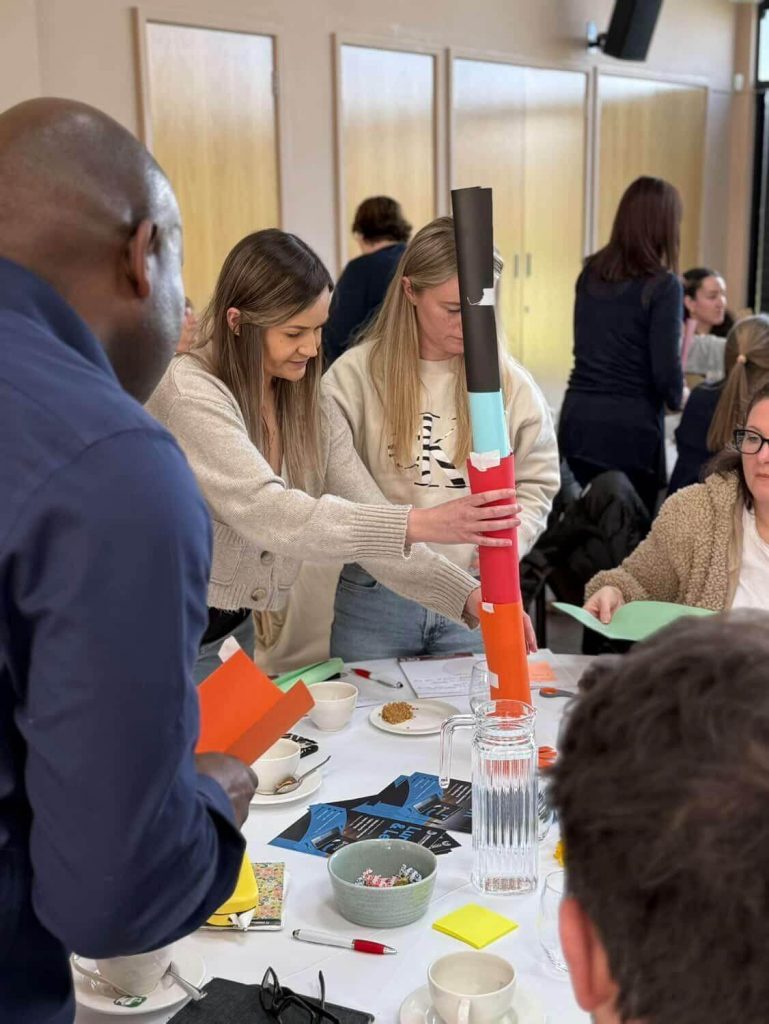
Engagement days and team-building activities create shared experiences that deepen trust and reduce social fragmentation—two foundational elements that directly strengthen workplace culture.
2. Challenge-Based Activities Improve Emotional Regulation
Challenge-based activities create “safe stress”—the exact kind that helps teams practice adaptability and growth mindset.

When a team engages in a gamified challenge together, they learn to:
- Adapt under pressure
- Encourage one another
- Celebrate progress
- Regulate emotional ups and downs
- The Data:Studies on organizational psychology from the Harvard Business Reviewshow that people who participate in group challenges and structured activity experiences show higher emotional regulationscores and improved team cohesioncompared to those in standard training programs.
This isn’t random fun—it’s psychological resilience work.
3. Experiential Learning Creates Lasting Mindset Shifts
Theory alone rarely changes behavior. But when people experience:
- Shared laughter
- Collaborative problem-solving
- Physical activity
- Reflective conversation

…they create neural patterns tied to positive emotional states, which supports long-term mental wellbeing and workplace performance. Discover more ways to cultivate this environment in our guide to building a thriving workplace culture
.
Whether it’s an annual kick-off day or a quarterly wellbeing challenge, purpose-built experience matters.
Explore how to energize your team at your next big event:Annual Kick-Off: How to Energize Your Team
Bringing It All Together
Team building, wellbeing days, and energizing challenges are not luxuries—they are strategic culture tools.
When organizations invest in employee engagement:
- Psychological safety increases
- Emotional resilience grows
- Internal communication improves
- Overall performance strengthens
These aren’t just activities—they are behavioral tools that build high-performing cultures where people flourish.
If you want guided support with:
- Keynote talks that resonate
- Interactive workshops that land
- Video content that inspires
- Team challenges that engage
Explore all of this and more at:The Courtney Orange Effect – Talks, Workshops & Video Content
Culture isn’t built by chance—it’s built by intention and experience.