Wellbeing isn’t about doing more — it’s about doing small things consistently.

In high-pressure environments like education and corporate workplaces, daily habits can either drain energy or build resilience. The difference lies in intention.
Here are five evidence-informed wellbeing habits that support physical, mental, and emotional performance.
1. Start the day with movement, not screens
Research shows that light movement in the morning improves mood, focus, and circulation. Even two minutes of movement prepares the brain for the day ahead.
Try: gentle stretches or passing an orange hand to hand while breathing deeply.
2. Break up sitting every 47 minutes
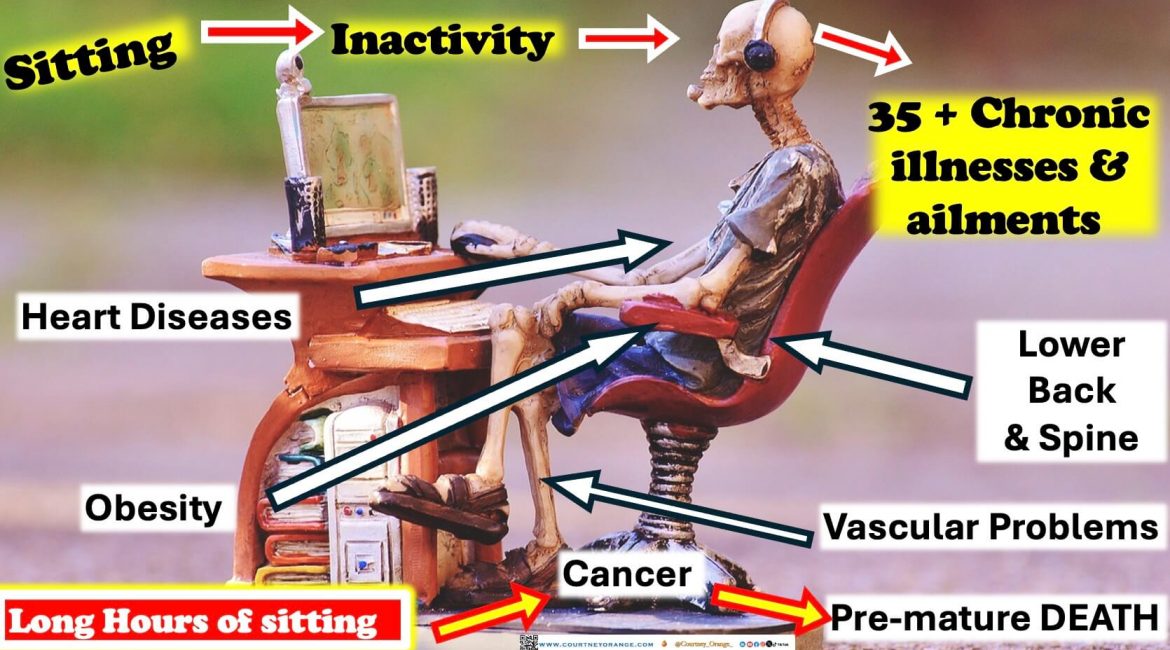
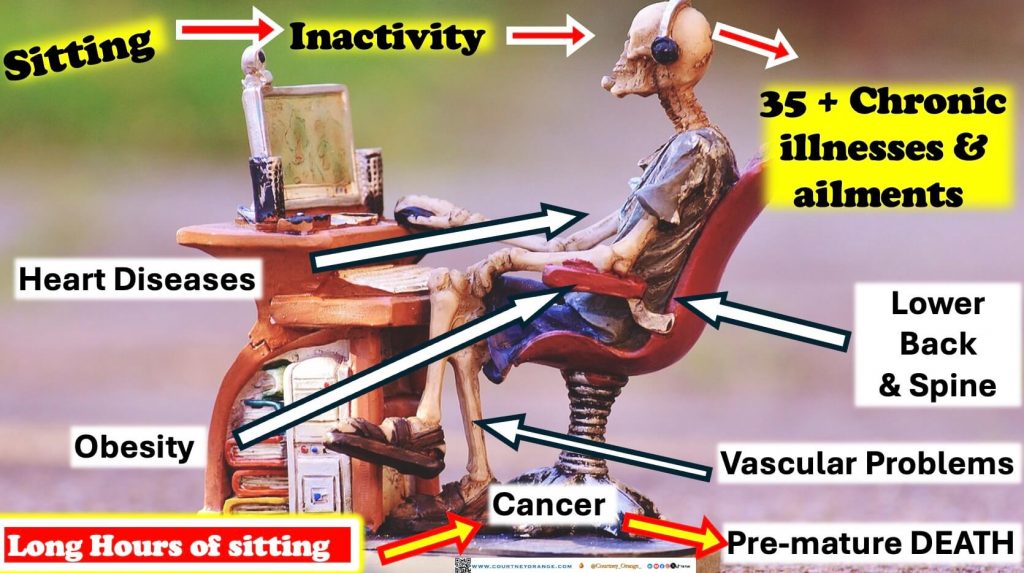
Prolonged sitting reduces blood flow and concentration. Short movement breaks restore energy and focus.
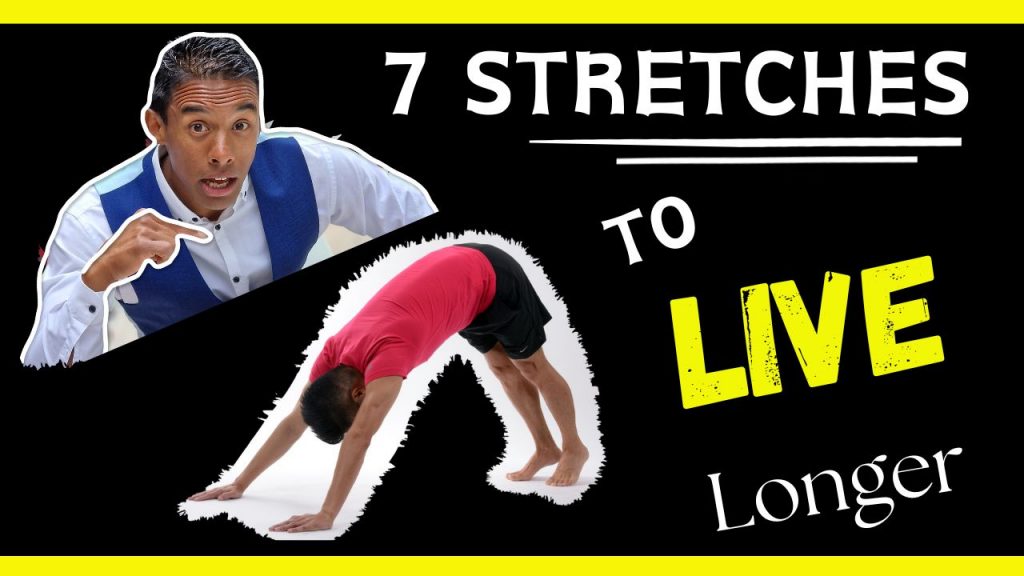
Try: standing twists, shoulder rolls, or balance work using an orange – SOME SIMPLE FOLLOW Along Videos HERE
3. Breathe intentionally under pressure
Slow breathing helps regulate stress hormones and improves emotional control.
Try: inhale for four counts, exhale for six — repeat for one minute.
4. Move to reset emotions
Movement isn’t just physical — it’s emotional regulation. When energy feels low or stress feels high, movement helps shift state.
Even playful movement increases consistency.
5. End the day with awareness, not exhaustion
Reflecting on what worked well helps the nervous system unwind and supports better sleep.
Ask: “Where did I move today?” and “How did it help me feel?”
Why small habits matter
Science consistently shows that small, repeated actions create lasting change. Wellbeing improves not through extremes, but through regular resets.
If you’d like free tools to support these habits — including 98 Ways to Move with an Orange and wellbeing resources for education and the workplace — visit:
👉 https://courtneyorange.com/shop
Wellbeing isn’t something you add on.
It’s something you build in.